Cart
Close
No products in the cart.

Norwegian roots, European reach, and a business that puts materials back into play

European industry is currently dealing with two issues at once: performance and resources. Companies are looking for ways to manufacture more efficiently, with lower energy intensity and greater control over the materials entering circulation. This is precisely where BEWI stands out as an interesting example of a company that does not link growth solely to production volume, but to a carefully managed material cycle.

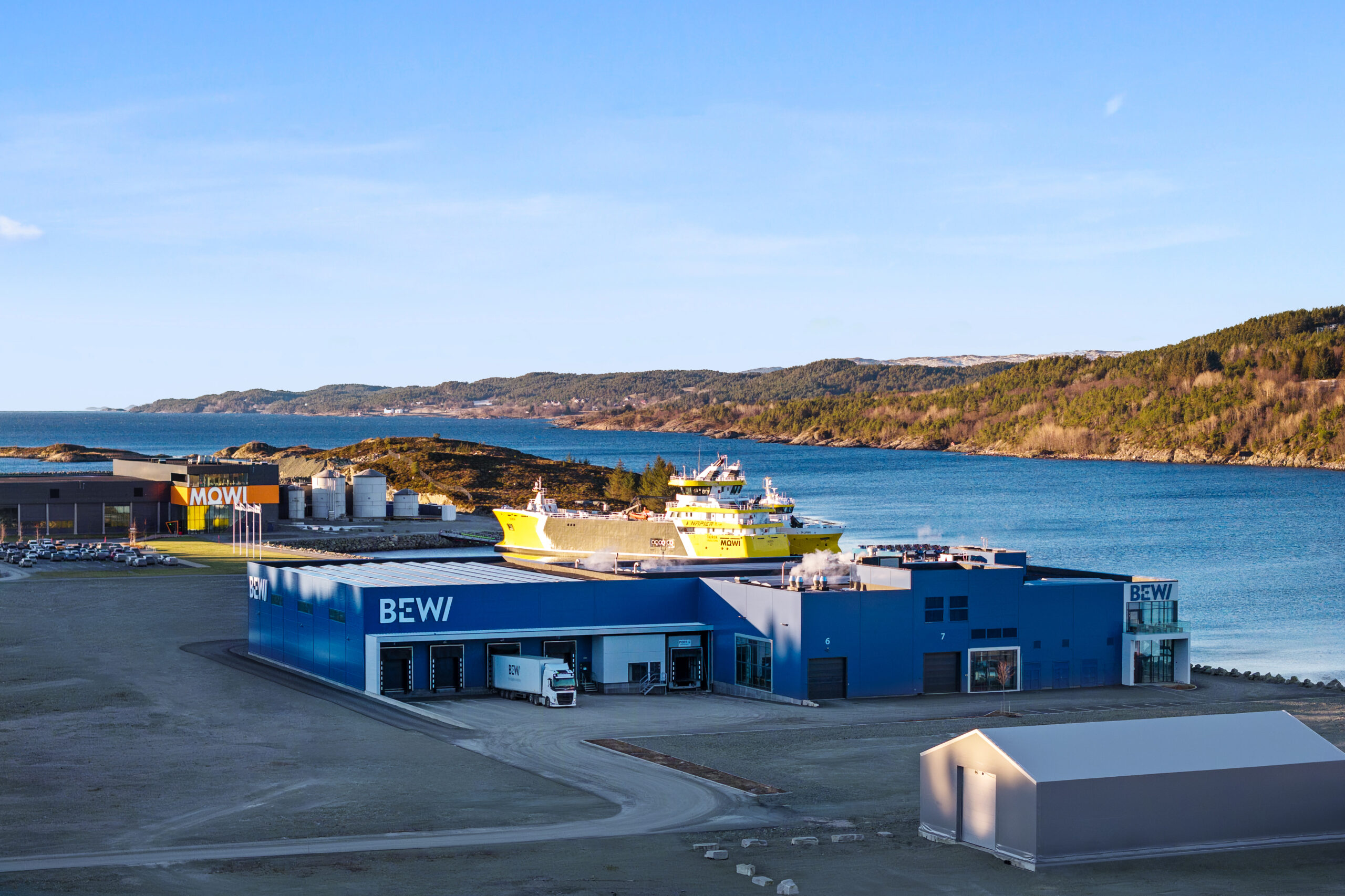
With roots in Norway, the group now operates across Europe and builds its business on three pillars: packaging solutions, technical components, and energy-efficient insulation. That alone would make for a solid industrial platform. What matters more, however, is that BEWI does not manage these areas separately. It connects them through recycling, logistics, and the reintroduction of materials into the next production cycle.
 
That is the kind of difference that is beginning to matter in today’s market.

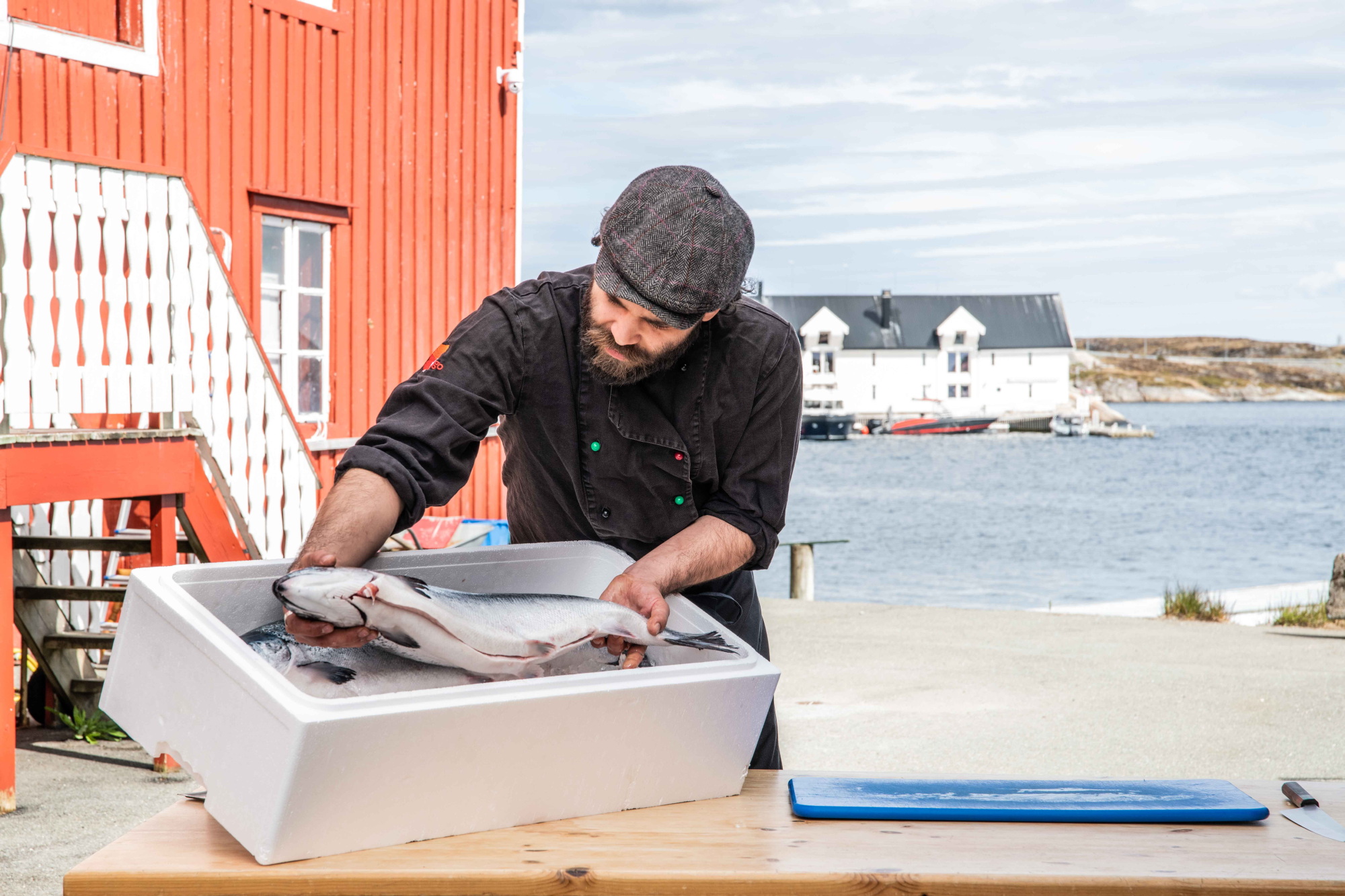
The circular economy is often described in language that sounds right but remains vague in practice. What makes BEWI interesting is that its model can be explained in very concrete terms. The company uses expanded polystyrene, known as EPS, in a range of applications, including packaging for food logistics. A typical example is boxes designed for transporting fish and other temperature-sensitive products.

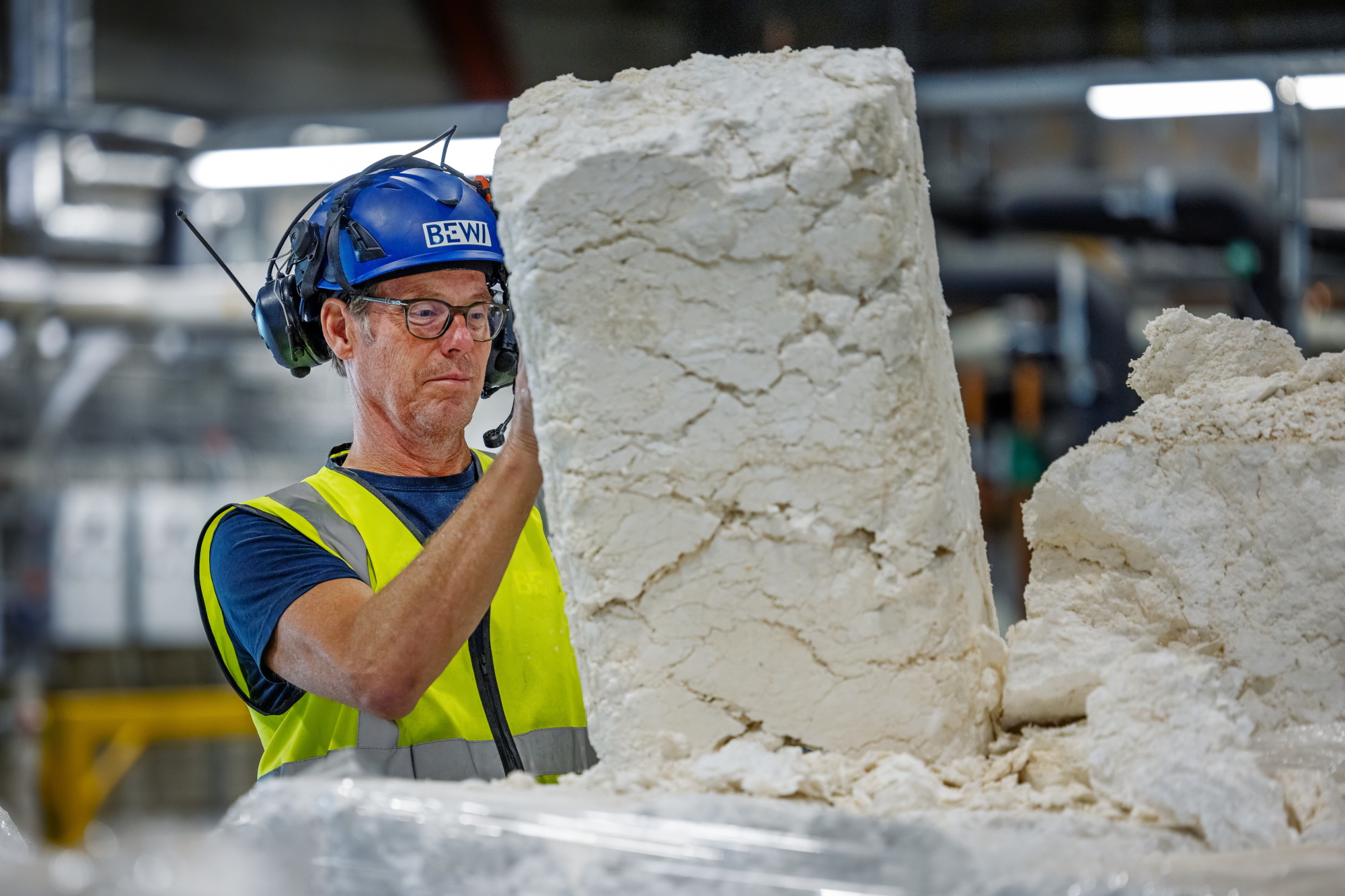
The story does not end once the packaging has served its purpose. If the material is properly collected, sorted, and processed, it can return as an input material. This is exactly where the strength of BEWI’s model becomes visible. Used packaging becomes material for further industrial use, including building insulation.
 
In other words, what begins in one segment as a logistics solution can continue in another as a long-life product with a direct impact on the energy efficiency of buildings.


On paper, a circular model looks simple. In reality, it depends on a network of collection, sorting, material purity, transport logistics, and production capacity capable of reintegrating recycled input into operations. 

BEWI is investing accordingly in recycling capacity, the development of collection networks, and the modernisation of technology. The reason is clear. Any company that wants to speak seriously about circularity has to control the entire process, not just its final stage. Declaring a higher share of recycled materials is not enough. What matters is whether a company can actually secure those materials, process them, and return them to production at a quality that holds up on an industrial scale.
 
This is where the difference emerges between companies that merely respond to market pressure and those that build an advantage of their own.
 

What this means for customers?

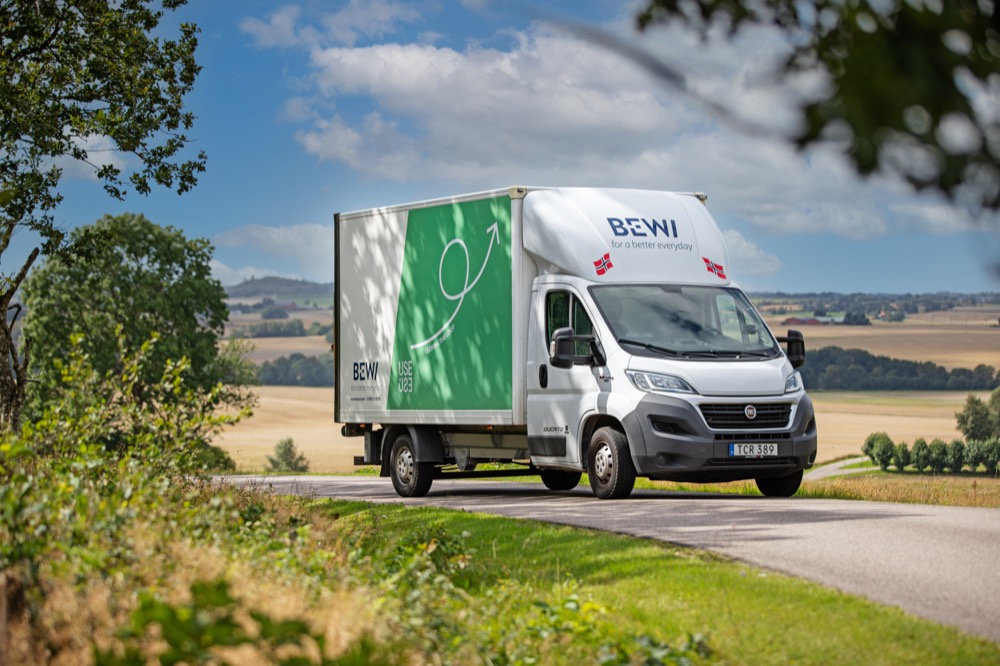
From a customer perspective, the environmental dimension is only part of the story. Operational logic matters just as much. Companies today need materials and solutions that make sense economically, technically, and reputationally. In practice, that means reliable supply, consistent quality, lower energy intensity, and the ability to perform in an environment where pressure for efficiency and transparency continues to grow.
BEWI therefore does not build customer relationships around the product alone. A stronger part of its position lies in its ability to combine technical expertise with an understanding of specific market segments. Whether in construction, food logistics, or other industrial sectors, one thing is becoming increasingly clear: customers are no longer looking only for a material supplier. They are looking for a partner who understands the wider context of their operations

Over the years, BEWI has evolved from a family business into a European group with ambitions to strengthen its role in circular materials and sustainable industrial solutions. That growth has been built through a combination of acquisitions, partnerships, and the development of manufacturing and recycling capacity across different parts of Europe.

What matters, however, is that expansion here does not appear to be an end in itself. It only makes sense if it increases the company’s ability to return materials to circulation, improve efficiency, and offer customers solutions that will remain relevant in the years ahead.
 
That is also what makes BEWI interesting from a broader business perspective. It shows that an industrial company today can grow in ways other than simply increasing volume. It can grow through a more intelligently designed system in which materials have a longer life, customers see clearer value, and the European market gains a more concrete answer to the question of what industry should look like in an era of constrained resources.


Contact in the Czech Republic:

BEWI Circular Czechia s.r.o.

AREAL PALABA Production facility

Netovická 875, Slaný 


PR and marketing:
tamara.radunovic@bewi.com

Follow Our Newsletter

Get access to inspiring stories from the world of Suite,
delivered directly to your inbox.

Related Articles

Previous
Next